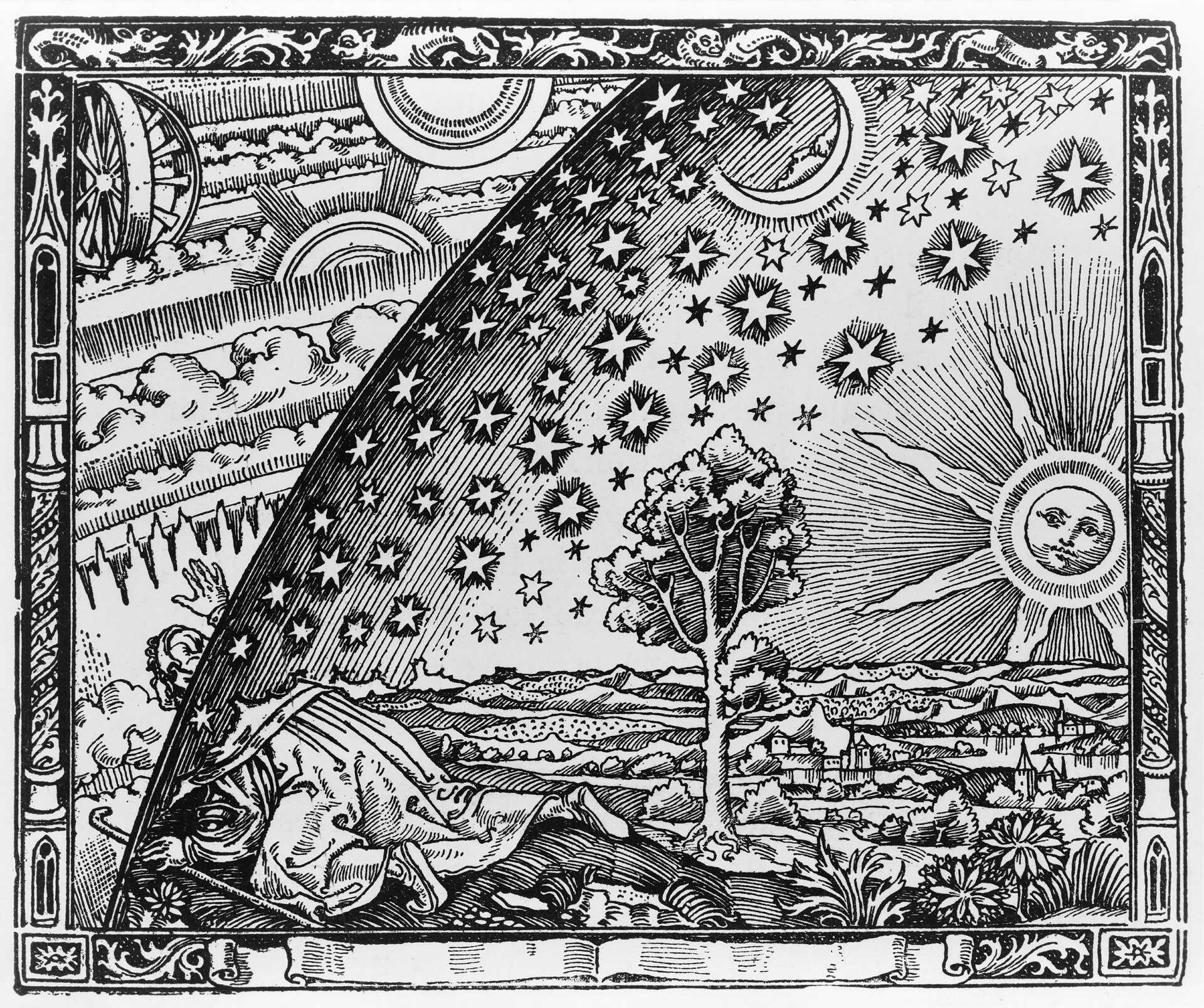
On transitions
Transitions are the silent passages of existence, where the known trembles at the edge of the unknown, and time itself seems to hesitate. They are the liminal spaces where identity dissolves and reforms, where becoming eclipses being. In a transition, we are both at home and adrift, suspended between what was and what might be. It is here that life speaks most profoundly, not in certainties, but in whispers of potential, reminding us that to live is to change and to change is to affirm the mystery of existence.
As Heraclitus teaches, the river is never the same, and yet it flows—its constancy lies not in stillness but in ceaseless transformation. Transitions, like rivers, reveal the flux of life: each moment a dissolution and a renewal, an ending that births a beginning. They strip us of permanence, reminding us that identity itself is a process, a becoming rather than a being. In these thresholds, the familiar dissolves into the unfamiliar, and the self encounters its own fragility, its own boundless capacity to adapt and evolve.
To dwell in transition is to embrace the paradox of stability within change, to find meaning not in arrival but in the act of passage itself, where we are both the current and the banks that shape its course.